

Hey there! As a supplier of weld fittings, I've seen firsthand the numerous advantages that these components bring to various industries. In this blog, I'm gonna share with you why using weld fittings can be a game - changer for your projects.
1. Superior Strength and Durability
One of the major perks of weld fittings is their incredible strength. When you weld two pieces together using weld fittings, you create a joint that is as strong as, or even stronger than, the base materials themselves. This is because the welding process fuses the metal, creating a solid and continuous bond.
For instance, in high - pressure applications like oil and gas pipelines, the integrity of the joints is crucial. A weak joint can lead to leaks, which can be not only extremely costly but also pose a significant safety hazard. Weld fittings, such as Butt Weld Fitting, provide the necessary strength to withstand these high pressures. They distribute the stress evenly across the joint, ensuring that the pipeline can operate safely and efficiently for years.
In addition to high - pressure environments, weld fittings are also great for applications that are subject to vibration and mechanical stress. Think about machinery in a factory or a construction site. The constant movement and shaking can cause traditional mechanical connections to loosen over time. However, welded joints created with weld fittings remain stable and tight, reducing the need for frequent maintenance and replacement.
2. Leak - Resistance
Another big advantage is the leak - resistance of weld fittings. Since the joint is welded together, there are no gaps or seams where a fluid or gas could potentially escape. This is especially important in industries where leaks can have serious consequences, like the chemical and pharmaceutical industries.
In a chemical processing plant, for example, the substances being transported often are corrosive and hazardous. A leak could contaminate the environment, endanger workers' health, and cause significant damage to the equipment. Weld Nipple and other weld fittings are designed to prevent such leaks. They create a hermetic seal, ensuring that the chemicals are safely contained within the system.
Even in less - critical applications, like plumbing in a residential building, leak - resistance is still a key factor. A leaky pipe can lead to water damage, mold growth, and increased water bills. By using weld fittings, you can ensure a reliable and long - lasting plumbing system that will keep your home dry and your wallet happy.
3. Customization and Flexibility
As a weld fitting supplier, I know that every project is unique, and there's no one - size - fits - all solution. That's where the customization and flexibility of weld fittings come in handy. Weld fittings can be fabricated to meet specific requirements in terms of size, shape, and material.
If you need a non - standard size of a weld fitting, it's not a problem. We can manufacture it according to your exact specifications. This is particularly useful in industries like aerospace and automotive, where precision and uniqueness are of the essence. For example, in an aircraft engine, every component needs to fit perfectly to ensure optimal performance and safety. Custom - made weld fittings can be designed to meet these tight tolerances.

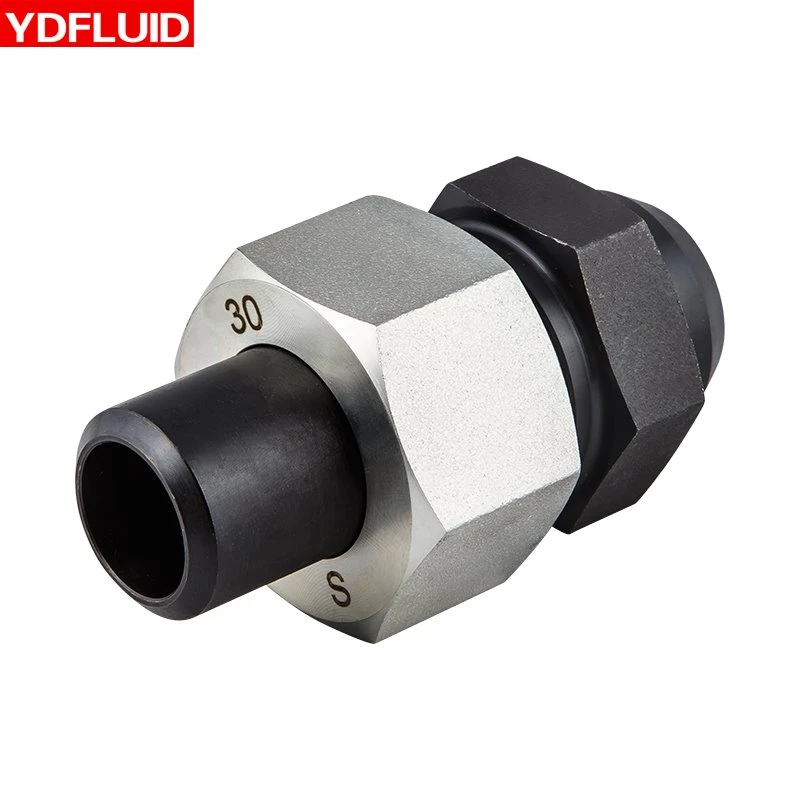
Moreover, weld fittings are available in a wide range of materials, including stainless steel, carbon steel, and alloy steel. Different materials offer different properties, such as corrosion resistance, high - temperature resistance, and strength. You can choose the material that best suits your project's needs. For example, if you're working on a marine project, stainless steel weld fittings would be a great choice because of their excellent corrosion resistance in saltwater environments.
4. Cost - Effectiveness in the Long Run
While the initial cost of weld fittings and the welding process might seem higher compared to some other types of fittings, they are actually cost - effective in the long run. The superior strength and durability mean that they have a longer lifespan. You don't have to replace them as often as other types of fittings, which reduces the overall maintenance and replacement costs.
Let's say you're running a manufacturing plant. If you use low - quality fittings that need to be replaced frequently, it will cost you not only the money for the new fittings but also the labor cost for the replacement and the downtime of the production line. On the other hand, weld fittings can last for decades with proper care, saving you a significant amount of money over time.
5. Compatibility with Tube Systems
Weld fittings are highly compatible with tube systems. They can be easily integrated into existing tube networks, whether it's a simple plumbing system or a complex industrial piping system. Tube To Weld Fitting is designed specifically to connect tubes securely, providing a seamless transition between different parts of the system.
In a heating, ventilation, and air conditioning (HVAC) system, for example, tube to weld fittings are used to connect the refrigerant lines. This ensures that the refrigerant can flow smoothly through the system, improving the efficiency of the HVAC unit. The compatibility of weld fittings with tube systems also makes it easier to install and expand the system as needed.
Let's Connect for Your Weld Fitting Needs
If you're looking for high - quality weld fittings for your project, I'd love to help. Whether you need a small quantity for a DIY project or a large order for an industrial project, we can provide the right solutions. Drop me a message, and we can start discussing your requirements. I'm confident that our weld fittings will meet and exceed your expectations.
References
- ASME B16.9: Standard for Factory - Made Wrought Steel Butt - Welding Fittings
- ASTM A234: Standard Specification for Piping Fittings of Wrought Carbon Steel and Alloy Steel for Moderate and High - Temperature Service
- API 5L: Specification for Line Pipe
- Manufacturer's catalogs and technical documentation related to weld fittings.