

Hey there! I'm a supplier of Butt Weld Fittings, and I've seen firsthand how crucial it is to take safety seriously when using these fittings. In this blog, I'll share some key safety considerations that you should keep in mind.
1. Material Compatibility
When choosing butt weld fittings, one of the first safety concerns is material compatibility. You gotta make sure that the fitting and the pipe it's being welded to are made of the same or compatible materials. Different metals have different melting points, expansion rates, and corrosion resistances. If you mix incompatible materials, it can lead to a weak weld joint. For example, welding a stainless - steel fitting to a carbon - steel pipe might seem okay at first, but over time, differences in corrosion rates can cause the joint to fail. This could result in leaks, and in some cases, it might even lead to more serious accidents like explosions if the system is handling flammable substances.
2. Welding Procedure
The welding procedure is another critical safety aspect. You can't just pick up a welding torch and start fusing the fitting to the pipe. There are specific welding procedures that need to be followed, which usually include pre - heating, welding parameters (such as current, voltage, and travel speed), and post - weld heat treatment (PWHT). Pre - heating is important because it reduces the cooling rate of the weld, which helps prevent cracking. For thick - walled butt weld fittings, PWHT is often necessary to relieve residual stresses in the weld area. If these procedures aren't followed correctly, the weld might not be strong enough, and it could rupture under pressure.
3. Welding Equipment and Tools
Using the right welding equipment and tools is essential for safety. Faulty equipment can not only produce poor - quality welds but also put the welder at risk. Make sure your welding machine is in good working condition. Check the cables for any signs of damage, and ensure that the electrode holder is properly insulated. Also, don't forget about personal protective equipment (PPE). As a welder, you should always wear a welding helmet to protect your face and eyes from sparks and harmful radiation. Gloves are also a must to protect your hands from burns, and flame - resistant clothing can prevent your body from getting burned.
4. Inspection and Testing
After the welding is done, inspection and testing are vital safety measures. Visual inspection is the first step. Look for any obvious defects like cracks, porosity, or lack of fusion. But visual inspection alone isn't enough. You might also need to perform non - destructive testing (NDT) methods such as ultrasonic testing (UT) or radiography testing (RT). These methods can detect internal flaws in the weld that are not visible to the naked eye. If a defect is found during inspection, it should be repaired immediately. Ignoring these defects can lead to catastrophic failures in the future.
5. Installation Environment
The environment where the butt weld fittings are installed also plays a role in safety. If the installation area is in a hazardous location, like an area with high humidity, or where there are chemicals in the air, it can affect the corrosion resistance of the fittings. For example, in a coastal area with high salt content in the air, stainless - steel butt weld fittings might still corrode if they're not properly maintained. Additionally, the installation area should be clean and free of any debris. Dirt and dust can contaminate the weld, leading to a weaker joint.
6. Pressure and Temperature Ratings
It's important to use butt weld fittings that are designed to handle the pressure and temperature of the system. Every fitting has specified pressure and temperature ratings, and these should never be exceeded. If the system operates at higher pressures or temperatures than the fittings are rated for, there's a high risk of the fitting failing. For instance, in a high - pressure steam system, using a fitting with a low - pressure rating could cause the fitting to burst, releasing steam at high velocity, which is extremely dangerous.
7. Proper Training and Certification
Welders should have proper training and certification. Welding is a skilled job, and a trained and certified welder knows how to handle the welding process safely and correctly. They are aware of the safety procedures, how to use the equipment properly, and how to interpret the welding codes and standards. Hiring unqualified welders can lead to sub - standard welds and potential safety hazards. If you're in charge of a project that involves butt weld fittings, make sure the welders on the team are properly trained and certified.

8. Storage and Handling
Before installation, storing and handling the butt weld fittings properly is also important. Fittings should be stored in a dry and clean environment to prevent corrosion. They should be handled carefully to avoid any physical damage. For example, dropping a fitting can cause internal cracks or deformations, which can weaken the fitting and make it more prone to failure during installation or operation.
Our Products and Services
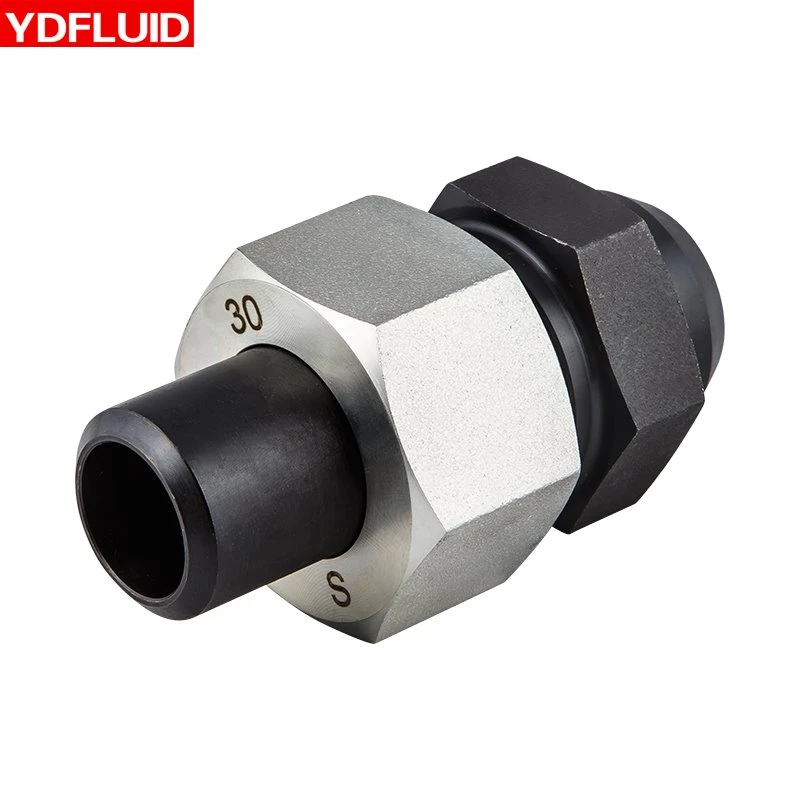
As a supplier of Butt Weld Fittings, I can assure you that our products meet the highest quality and safety standards. We offer a wide range of Butt Weld Fitting, including different materials, sizes, and shapes to meet your specific needs. Our Tube To Weld Fitting is designed for seamless connection between tubes, providing a strong and reliable joint. And our Weld Bulkhead Fitting is perfect for applications where a connection needs to be made through a wall or partition.
If you're in the market for high - quality butt weld fittings, don't hesitate to reach out. We're here to provide you with the best products and professional advice to ensure your projects are safe and successful. Whether you're working on a small plumbing project or a large industrial installation, we've got the right fittings for you. Contact us today to start discussing your requirements and let's find the perfect solutions together.
References
- AWS D1.1/D1.1M:2020, Structural Welding Code - Steel
- ASTM standards related to butt weld fittings
- ASME B31.3, Process Piping